
Fibermaxxing: Is the Gut-Health Trend Worth Trying?
More fibre deserves a place on the menu. Here is how to make the trend useful with beans, greens and familiar foods, without turning eating into a numbers contest.
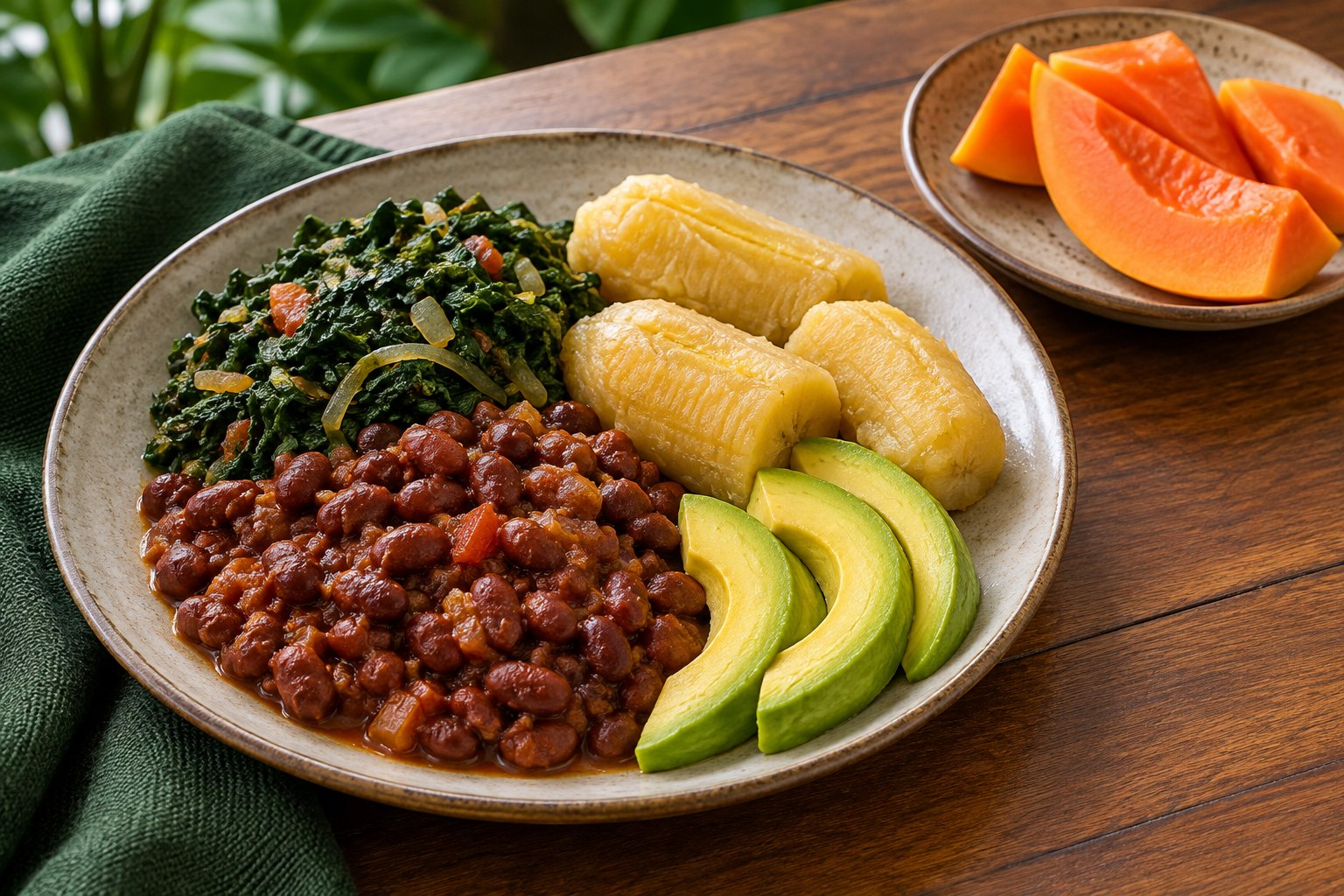
Why is everyone talking about fibre?
A bowl of beans may not look like a social-media breakthrough. Yet the idea behind one of this year’s nutrition trends could sit quite comfortably beside a serving of matooke.
“Fibermaxxing” has brought fibre into the wellness spotlight. UCLA Health discussed it in January 2026, and University of Georgia Extension covered it in July. The name sounds extreme; the useful question is ordinary: are there more ways to include plant foods in meals we already enjoy?
For readers in Uganda, that question does not have to begin with imported seeds or a new supplement. It can begin with the beans, peas, vegetables and fruit available where we shop.
What is fibermaxxing, exactly?
It is an informal online term for deliberately increasing dietary fibre, sometimes with an emphasis on getting as much as possible. It is not a standardised diet or a clinical treatment.
Fibre is the part of plant foods that our digestive enzymes do not fully break down. Different fibres behave differently: some dissolve in water, some add bulk to stools, and some are fermented by microbes in the large intestine. Foods often contain a mixture. You do not need to sort every ingredient into a perfect category to eat a varied diet.
What can fibre actually do for your health?
Fibre helps support regular bowel movements. Certain fibres also help lower LDL cholesterol or moderate the blood-glucose rise after meals. These effects depend on the type of fibre and the overall diet; adding a fibre powder does not make every meal nutritionally equivalent.
Some fibres provide fuel for gut microbes. That is one reason fibre appears so often in gut-health discussions, but it is not a promise to “reset” your microbiome or cure digestive symptoms.
The practical case is for including a range of fibre-containing foods consistently. The strongest takeaway from the trend is a daily habit, not a dramatic one-day challenge.
How much fibre do adults need?
The World Health Organization recommends at least 25 grams of naturally occurring dietary fibre per day for adults. Its guidance prioritises whole grains, vegetables, fruits and pulses as carbohydrate sources.
Treat this as a general public-health reference, not a personalised prescription or a challenge to reach the largest possible number. Other guidelines use different targets according to age, sex or energy needs.
Also, 25 grams of fibre does not mean 25 grams of food. Fibre is one component of a food, and the amount varies with the ingredient, portion and preparation. A meal photograph cannot tell you its exact fibre content.
Five ways to add fibre to familiar meals
Start with the meal you already make, then choose one addition or swap that suits your budget, appetite and cooking arrangements. These are meal ideas, not a calculated daily menu.
| Moment | Try this | Make it work for you |
|---|---|---|
| Breakfast | Wholegrain millet porridge or oats | Choose a wholegrain version where available; milling changes how much of the grain remains. |
| Lunch | Matooke or posho with beans and leafy greens | Keep the familiar staple and make room for a pulse and a vegetable. |
| A fruit break | A whole orange, guava or papaya | Pick fruit you enjoy and can obtain locally; these are choices, not a shopping requirement. |
| An afternoon snack | Groundnuts and a piece of fruit | One option if it suits your appetite and you do not have a groundnut allergy. |
| Supper | Sweet potatoes with peas and greens | Use the pulse and vegetable combination that fits what is available. |
How to increase fibre without overdoing it
Make one change and give yourself time to adjust before adding another. For example, begin with a small serving of beans at a meal you usually eat without them, rather than suddenly doubling several high-fibre foods at once.
NIDDK advises adding fibre a little at a time and drinking enough liquids to help it work. There is no single water target suitable for every person: climate, activity and health needs matter.
A sudden increase can bring gas or bloating. If a change is uncomfortable, reduce the size of the increase and pay attention to which foods you tolerate. Discomfort is not proof that a diet is “detoxing” your body.
Do you need fibre powders or expensive “gut-health” products?
No special product is required to begin including more fibre-rich foods. Whole grains, pulses, vegetables, fruit and nuts offer different ways to do that. A product with a fashionable label is an option, not an entry ticket.
Supplements can have a role in individual care, but a social-media trend is not a reason to start one automatically. If you have irritable bowel syndrome, inflammatory bowel disease or instructions to follow a modified-fibre diet, discuss changes with your clinician or dietitian. The type and amount that suit you may differ from someone else’s.
A realistic place to start this week
Choose the easiest opportunity in your own routine. Perhaps it is adding greens to lunch, choosing wholegrain bread when it is available, or having a whole orange at a time you normally skip fruit. Keep the foods you enjoy and consider what would make the change repeatable.
Cooking fuel, food prices and time can matter as much as enthusiasm. If beans are already being prepared at home, including them in another suitable meal may be more realistic than buying a separate “wellness” ingredient. If one fruit is out of season, choose another you enjoy and can access.
Axiom & Appetite’s take: let the trend draw attention to familiar foods. A comfortable, varied eating pattern is a more useful destination than a record-breaking fibre total.
Keep the conversation going.
Have a relevant project or event in mind?