
The Clockwork Diet: How Chrononutrition is Redefining When We Eat
Discover how aligning your meal times with your body's natural circadian rhythm can optimize metabolism, enhance sleep, and redefine our approach to daily nutrition.
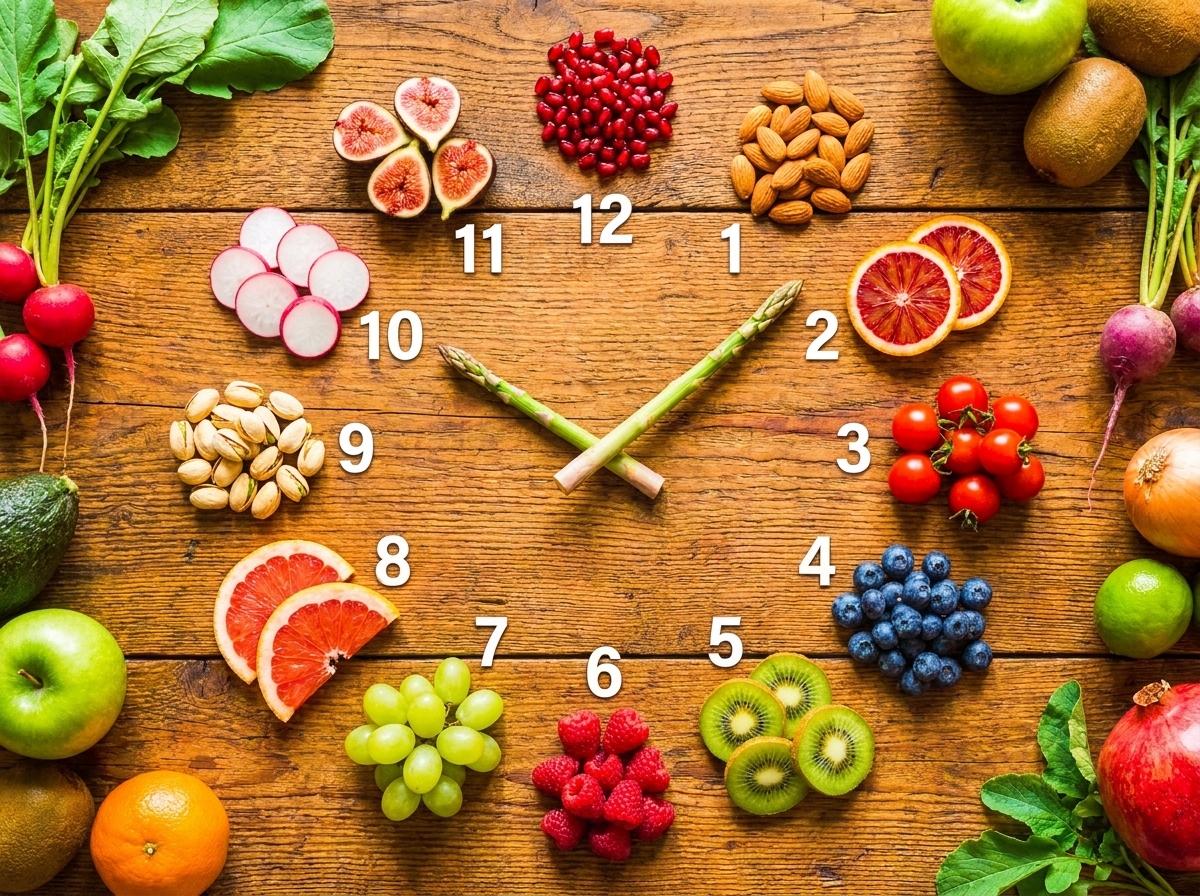
Beyond What We Eat
For decades, nutritional science has fixated almost exclusively on what and how much we consume. Caloric deficits, macronutrient ratios, and superfood trends have dominated the conversation. However, a rapidly emerging field known as chrononutrition is shifting the paradigm by asking a different question entirely: when should we eat? This discipline explores the intricate relationship between our dietary patterns and our circadian rhythms: the internal 24-hour clocks that govern human biology.
The Body's Internal Clocks
Our bodies do not process food the same way at 8:00 AM as they do at 10:00 PM. The master clock in the brain, guided by light and darkness, coordinates peripheral clocks found in almost every organ, including the liver, pancreas, and gut. When we eat out of sync with these natural rhythms: such as engaging in late-night snacking or experiencing jet lag: we risk metabolic misalignment. This mismatch can lead to impaired glucose tolerance and a sluggish metabolism, highlighting the importance of temporal eating.
Sun Up, Metabolism Up
Research consistently shows that our metabolic efficiency peaks earlier in the day. Insulin sensitivity: the body's ability to efficiently use glucose for energy: is significantly higher in the morning and afternoon. By front-loading our caloric intake and consuming our most substantial meals earlier, we can align our energy intake with our biological prime time. This daytime approach not only supports better blood sugar control but can also sustain steady energy levels throughout working hours.
The Magic of the Fasting Window
Chrononutrition isn't just about eating; it's equally about when we stop. Establishing a clear fasting window overnight allows the digestive system to rest and repair. When we cease eating two to three hours before bedtime, we support the body's natural transition into a restorative state. This fasting period lowers insulin levels, promotes cellular repair processes like autophagy, and actively improves sleep architecture by ensuring the body isn't expending energy to digest a heavy meal while trying to rest.
Practical Steps for Temporal Eating
Adopting chrononutrition doesn't require extreme dietary restrictions; rather, it focuses on the structure of your day. To get started, try defining a consistent 10- to 12-hour eating window that aligns with daylight hours: for instance, from 8:00 AM to 6:00 PM. Make breakfast your most nutrient-dense meal, packed with protein and complex carbohydrates to kickstart your metabolism and sustain morning energy. Transition to a moderate lunch, and commit to a lighter, easily digestible dinner that is finished at least two to three hours before your head hits the pillow. Crucially, aim to maintain this exact schedule even on weekends to avoid what researchers call "metabolic jet lag."
A Timely Shift in Perspective
Ultimately, chrononutrition invites us to listen more closely to our body's natural rhythms rather than just fixating on calories or restricting specific food groups. By honoring our biological clocks and giving our digestive systems the temporal space they need to rest and reset, we can unlock a new dimension of daily well-being. It is a gentle reminder that in the pursuit of optimal health, mastering the clock is just as transformative as mastering the plate.
Keep the conversation going.
Have a relevant project or event in mind?