
A more varied plate can start with familiar foods.
Beans, greens, matooke and seasonal fruit: making space for variety in the foods we already know.
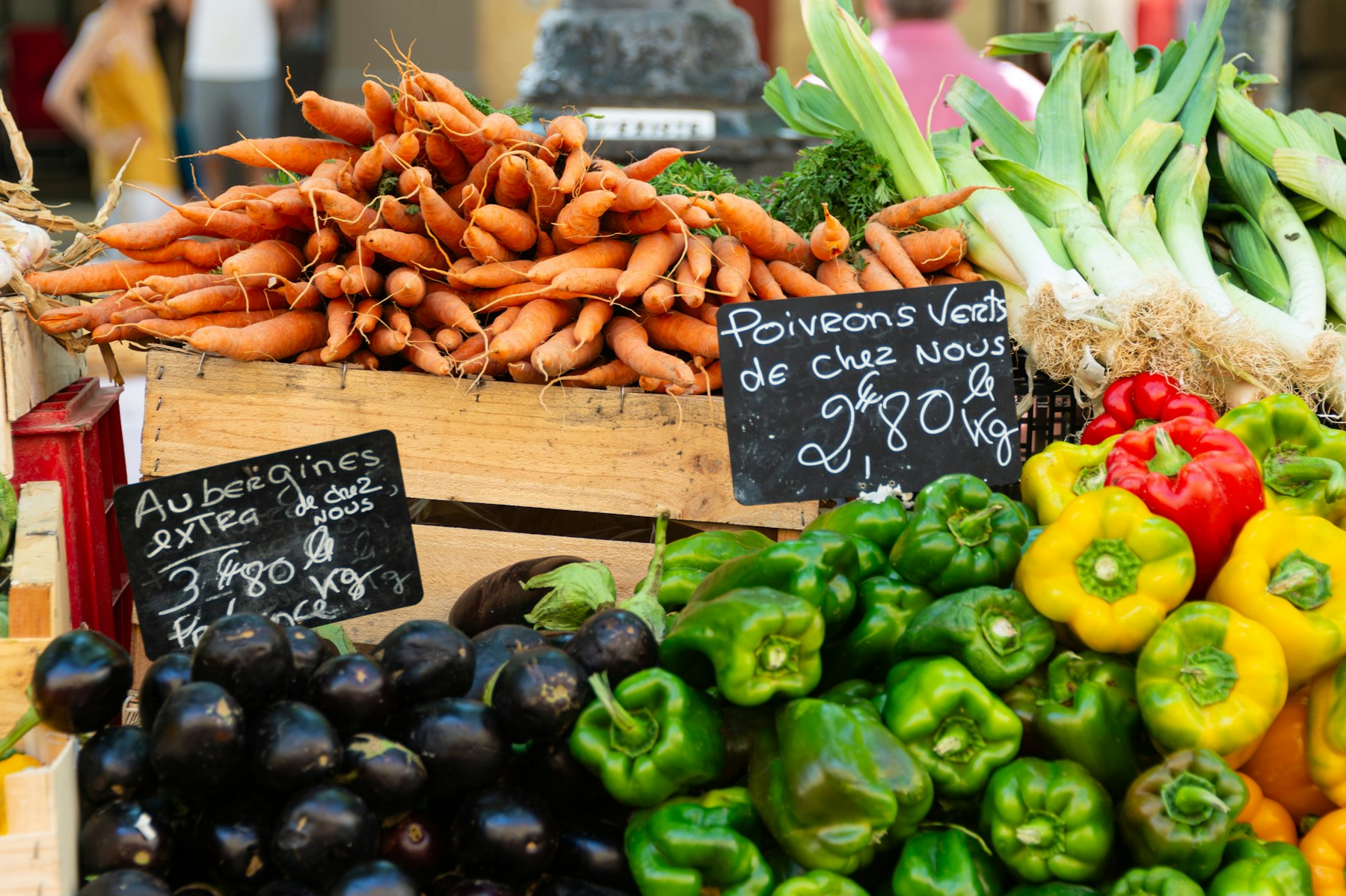
Begin with what is available
Nutrition conversations can sometimes make a good meal sound distant from everyday life. For many households, the useful question is much simpler: what is available, what can we afford, and what can we prepare with the time and fuel we have?
Think across the day
The World Health Organization identifies diversity as one of the foundations of a healthy diet. Variety means including different nutritious foods within and across food groups. A single ingredient does not have to do everything, and one meal does not tell the whole story.
Build on a familiar meal
As one everyday example, matooke or posho could be served with beans and leafy vegetables, with a seasonal fruit at another point in the day. Other meals might include millet, sweet potatoes, peas, eggs or fish, depending on access and preference. These are possibilities rather than a fixed menu or prescribed portion sizes.
Make room for real constraints
Price, seasons, cooking facilities and food availability shape choices. If a suggestion ignores those realities, it may not be useful. A conversation about meals should begin by listening to the person preparing them, including what would make a small change easier.
One question for the next shopping trip
Look at the foods you regularly eat. Is there a different vegetable, pulse or fruit that you enjoy and can realistically include? Choose one manageable addition. Variety is a direction to work towards, not a test of whether someone has a perfect plate.
Keep the conversation going.
Have a relevant project or event in mind?